
10 Best Cultural Highlights in Saigon’s Chinatown (Cho Lon)
Written by
Manager
Publish on
30 tháng 11, 2025
Table of contents


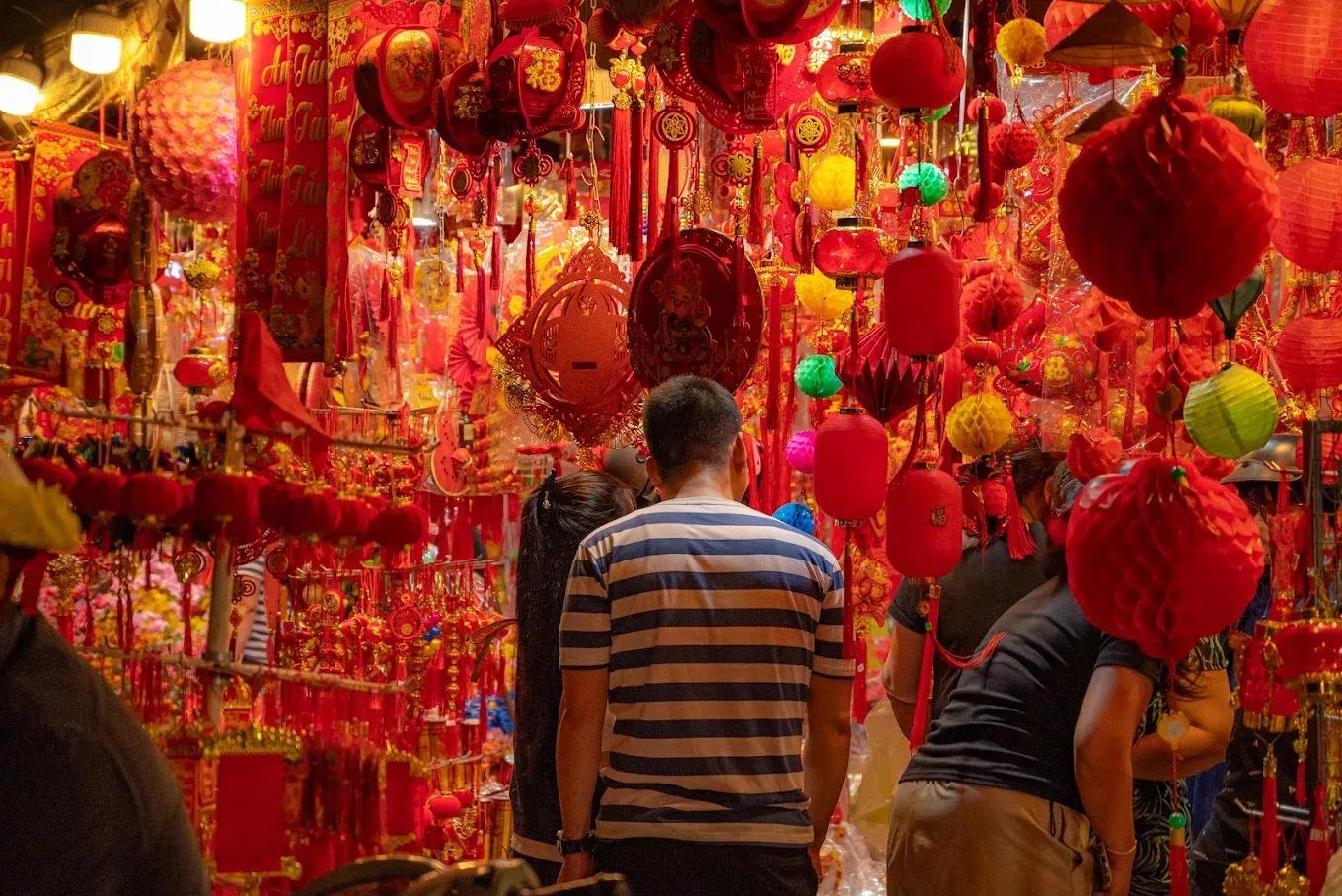
Tucked away in the western part of Ho Chi Minh City, Saigon’s Chinatown — known locally as Cho Lon — is a vibrant maze of temples, markets, and timeless traditions. This historic district is where Vietnamese and Chinese cultures intertwine, creating one of the most fascinating neighborhoods to explore. From centuries-old pagodas to bustling street-food alleys, Chinatown in Saigon offers an authentic glimpse into the city’s multicultural heart.
Whether you come for the architecture, the flavors, or the stories behind each shrine, Cho Lon is a must-visit destination for anyone looking to experience the soulful side of Ho Chi Minh City.
Where is China Town?
Chinatown is predominantly within District 5 and extending into parts of District 6 in Ho Chi Minh city. Known locally as Cho Lon—meaning “Big Market” in Vietnamese—it originated as a distinct city before becoming part of Saigon. Historically, it served as the primary settlement area for Chinese immigrants who arrived in waves from southern China.
Today, this area retains its unique identity, functioning as a dynamic commercial and cultural hub that pulses with a mix of old-world charm and contemporary urban energy. The streets are lined with Chinese-style shophouses, ornate temples, and market stalls that offer everything from traditional medicines to colorful festivals, making it one of the most distinctive neighborhoods in the city.
The Rich History of Chinatown
The development of Chinatown in Ho Chi Minh City dates back to the late 18th century when successive waves of Chinese migrants settled here, seeking new opportunities and refuge. These settlers brought their customs, architectural styles, religious beliefs, and culinary traditions, establishing a vibrant community that flourished alongside the native Vietnamese population. Chinatown grew as a key center for trade, especially in goods like textiles, spices, and herbal medicines, fostering economic prosperity.
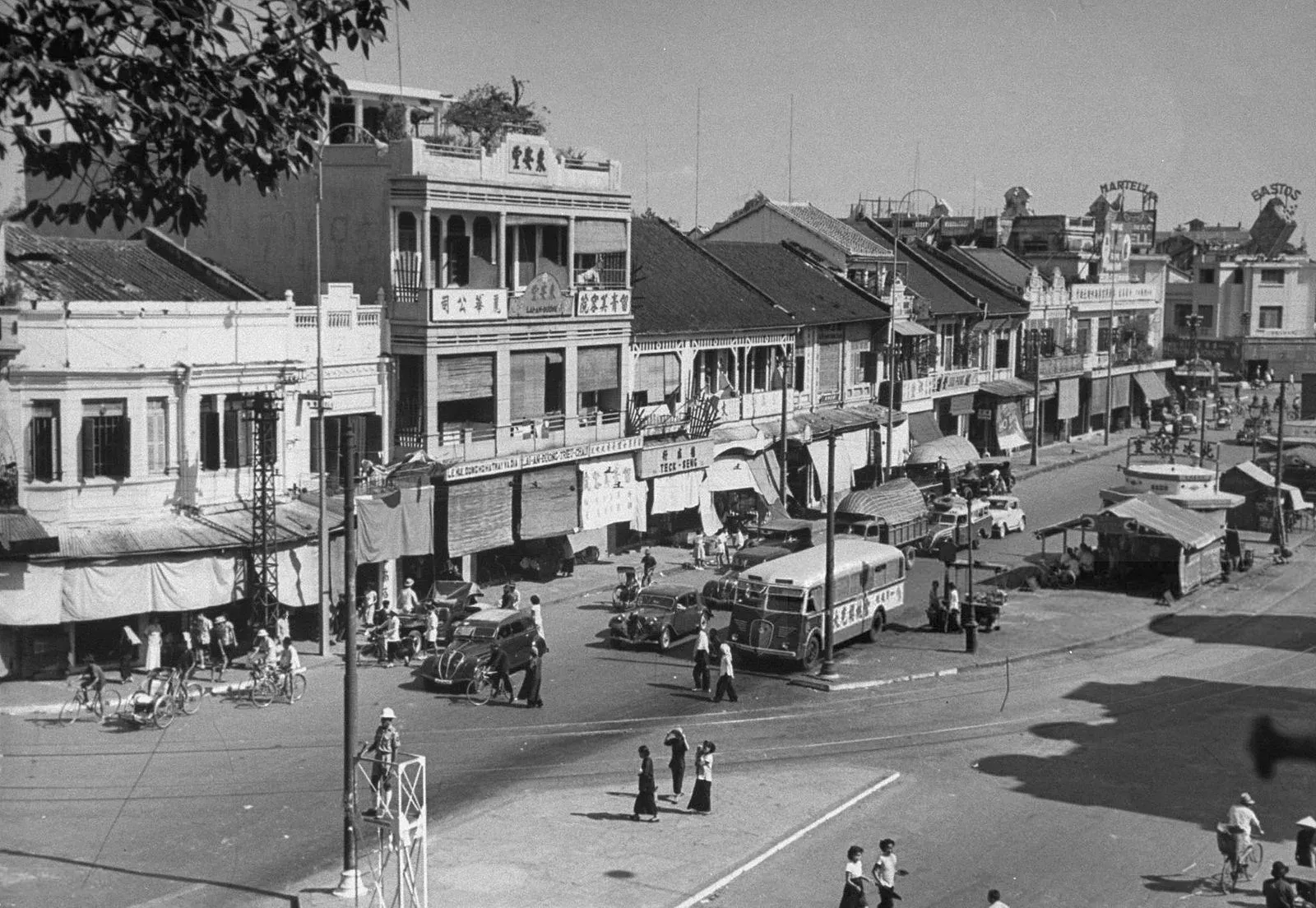
Cho Lon in the past
The architecture in Chinatown reflects this history with an impressive blend of southern Chinese influences and French colonial styles, offering visitors a visually intriguing landscape of tiled roofs, carved wooden doors, mahjong shop signs, and traditional temples dedicated to Taoist and Buddhist deities.
Walking through the Saigon Chinatown area today is like stepping into a living museum, where the colorful festivals, incense-filled pagodas, and lively markets echo the deep-rooted connection between past and present.
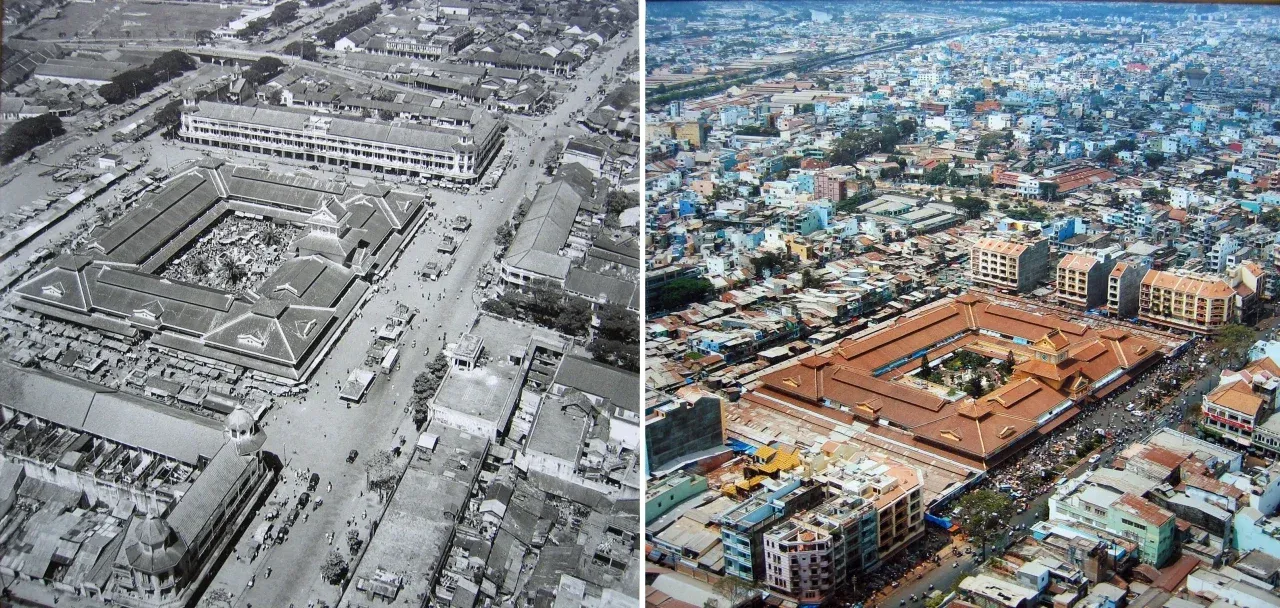
Cho Lon (Binh Tay Market) in 1955 and Cho Lon today
Top 10 Highlights in Saigon Chinatown (Cho Lon)
1. Binh Tay Market
Binh Tay Market, often called the "Big Market," is the vibrant commercial heart of Chinatown. Built in the 1920s by a Chinese merchant, Binh Tay Market—often called Chinatown Market Saigon—remains the beating heart of Cho Lon. Its architecture reflects both French and Chinese influences, featuring high ceilings and iron details. Inside, you’ll find stalls stacked with dried fruits, teas, spices, and household goods. This is the perfect place to see the daily rhythm of Chinatown Saigon life and shop for authentic local souvenirs.
📍Address: 57A Thap Muoi, District 6
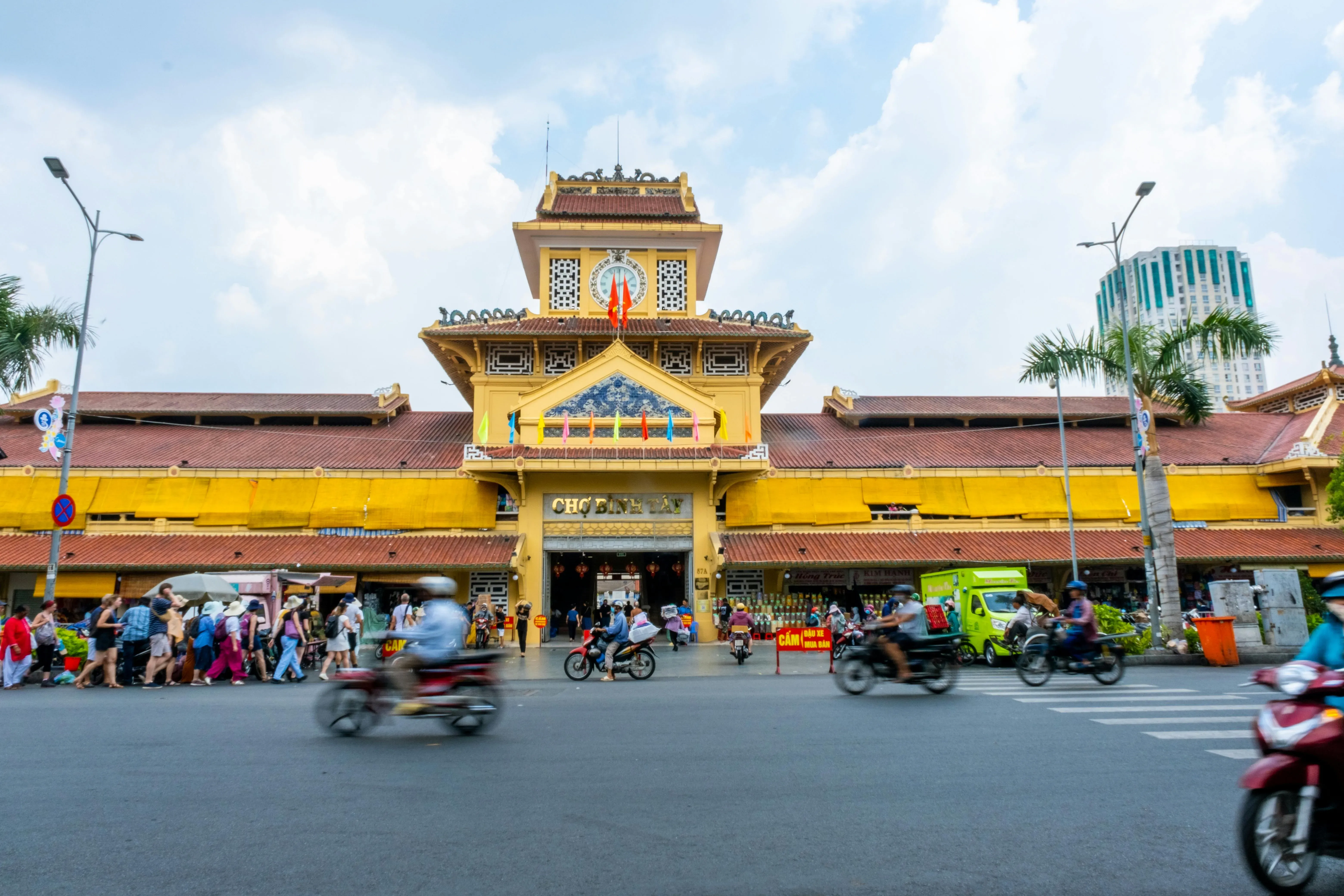
Early morning at Binh Tay Market
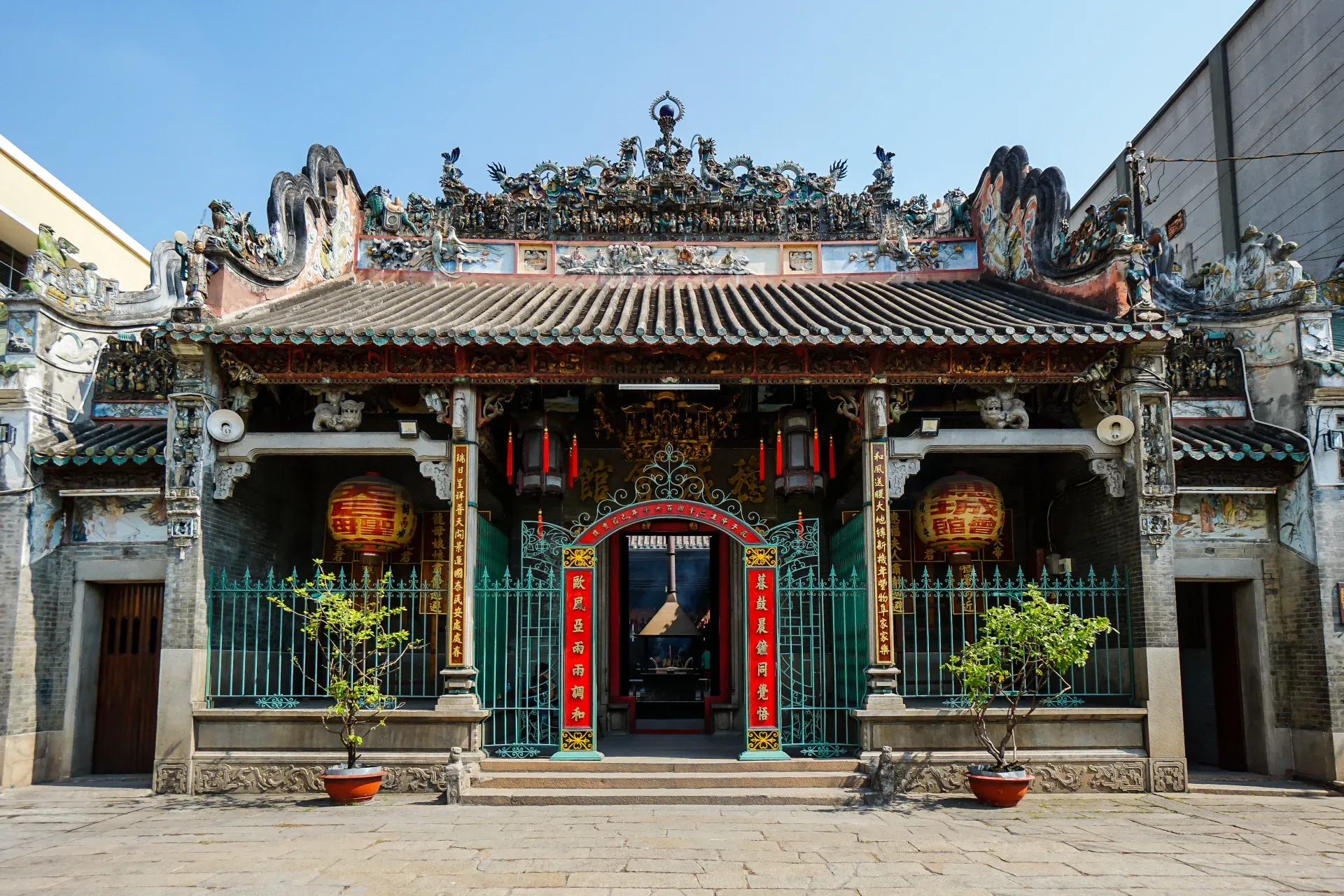
2. Lady Thien Hau Pagoda
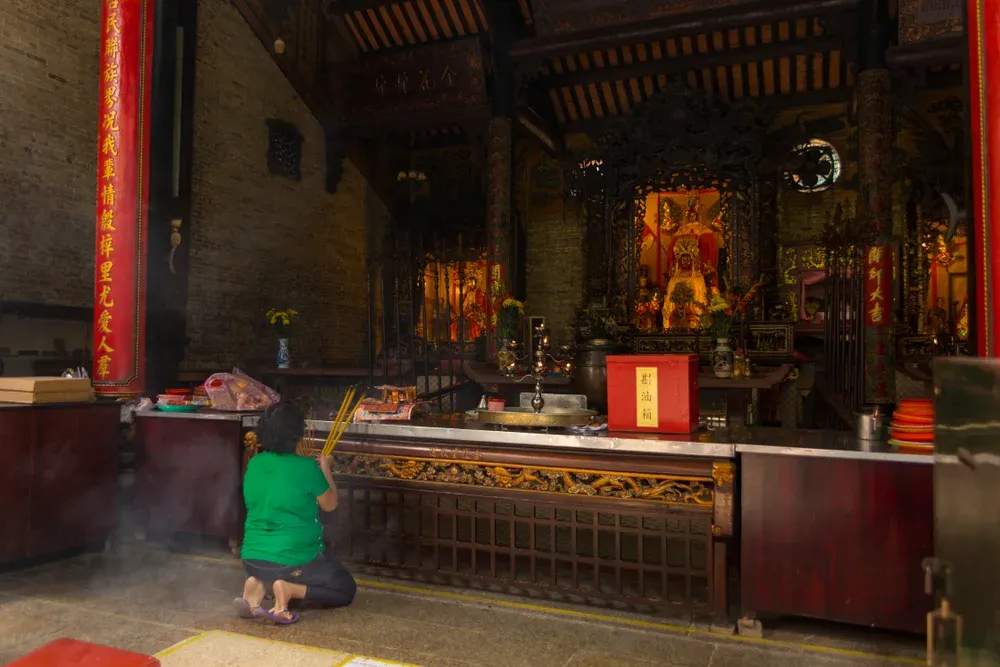
This pagoda is dedicated to Thien Hau, the Goddess of the Sea, worshiped by Chinese communities for protection of sailors and fishermen. Built in the late 18th century, its architecture features elaborate woodwork, intricate dragon and phoenix sculptures, and massive spirals of incense hanging from the ceiling that burn continuously.
📍Address: Nguyen Trai, District 5
Source: Du Lich Thanh Pho Ho Chi Minh
Visitors can witness local worshippers leaving offerings and performing rituals, immersing themselves in authentic spiritual practices. It’s one of the best-known temples in Chinatown Ho Chi Minh City, attracting both worshippers and photographers.
Source: Du Lich Thanh Pho Ho Chi Minh
3. Luong Nhu Hoc Lantern Street
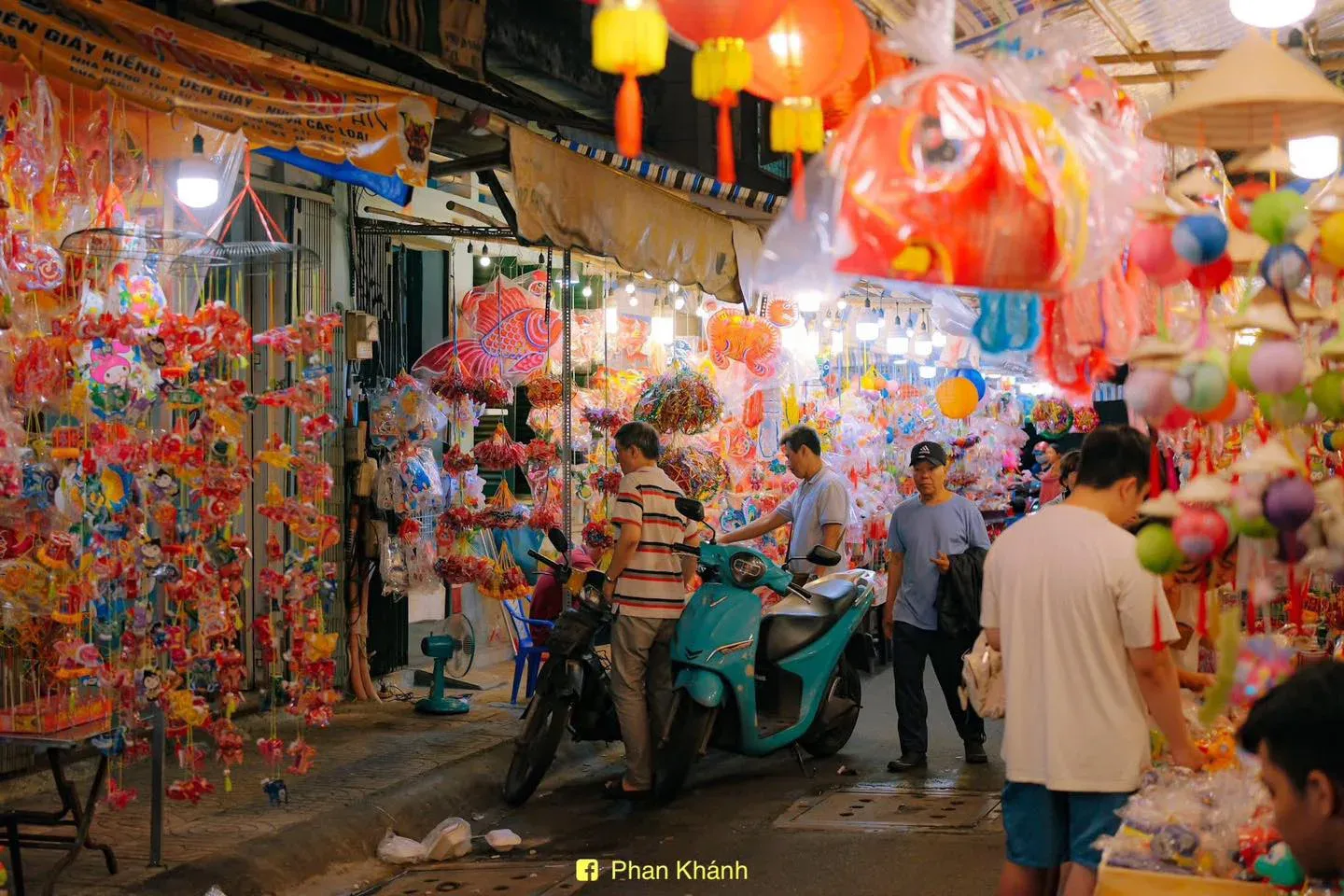
Lantern Street, officially known as Luong Nhu Hoc Street in Chinatown, is famous for its countless bright, colorful lanterns draped overhead. The street comes alive during the Lunar New Year and Mid-Autumn Festival when lanterns are abundant, but even year-round, the glowing decorations add a festive and whimsical atmosphere. Along the narrow street, you’ll find small shops selling lanterns, traditional crafts, and street food vendors offering snacks — making it an excellent place to stroll, shop, and take vibrant photos.
📍Address: Luong Nhu Hoc, District 5
A vibrant nighttime view of Lantern Street in Saigon's Chinatown
4. Quan Am Pagoda
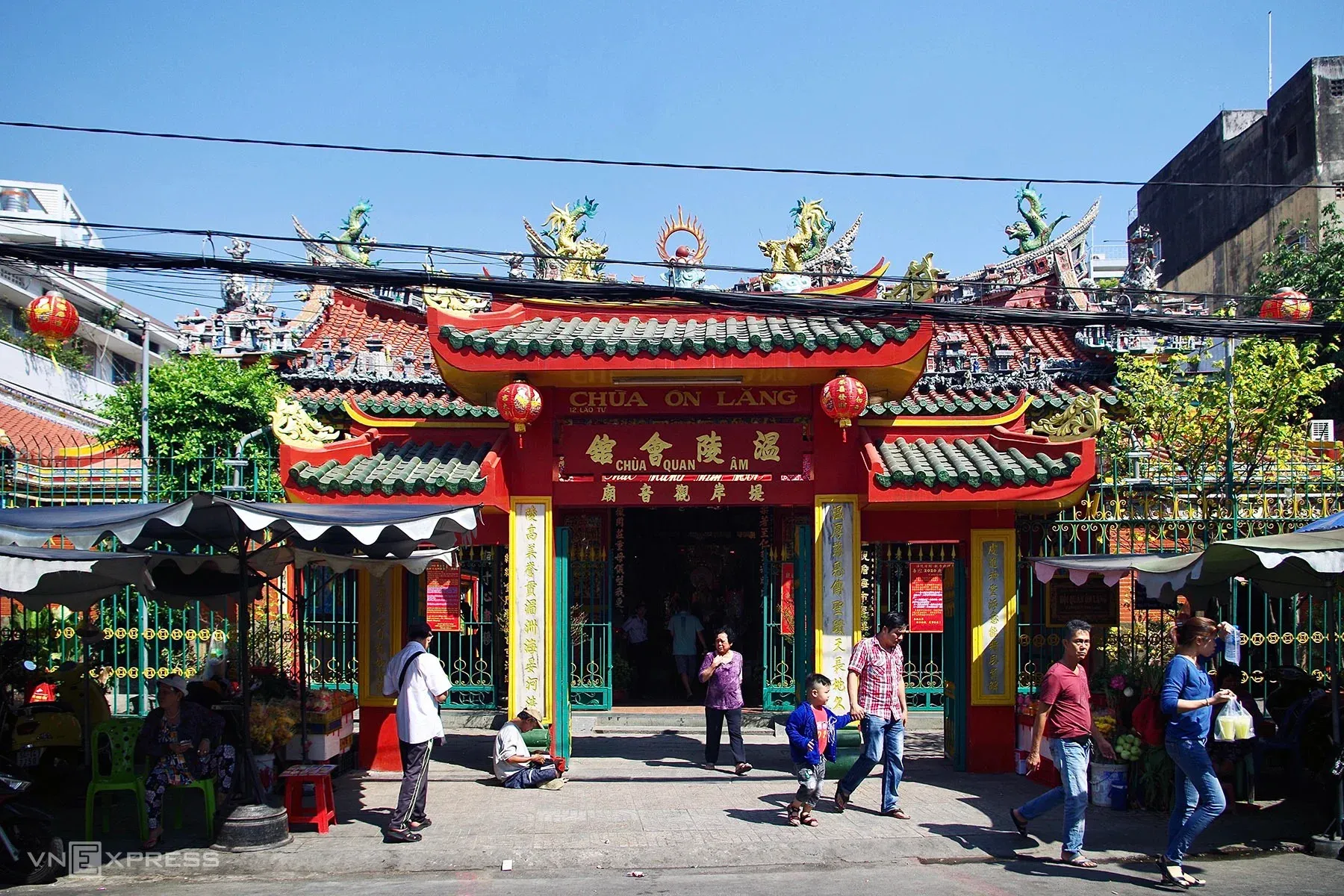
Quan Am Pagoda honors the Bodhisattva of Compassion and features a blend of Chinese and Vietnamese religious art. The interior houses statues of Quan Am surrounded by lotus flowers and symbolic offerings. The temple roof is adorned with sweeping curves and ornamental figures of dragons and phoenixes. Music and chanting often fill the air, especially during festivals, providing visitors a sensory rich, serene environment. Locals regularly visit to seek blessings and meditate.
📍Address: 12 Lao Tu, District 5
Source: VNEXPRESS
5. Nhi Phu Temple
Nhi Phu Temple is a hidden gem in Saigon Chinatown with peaceful surroundings and traditional architecture showcasing detailed wooden carvings and decorative tiles. Its smaller size compared to the more famous pagodas gives it an intimate feeling, making it ideal for quiet reflection. The temple is dedicated to various deities and features altars decorated with red and gold accents. It offers a glimpse into the spiritual life of Chinatown’s residents away from the hustle and bustle.
📍Address: 264 Hai Thuong Lan Ong, District 5
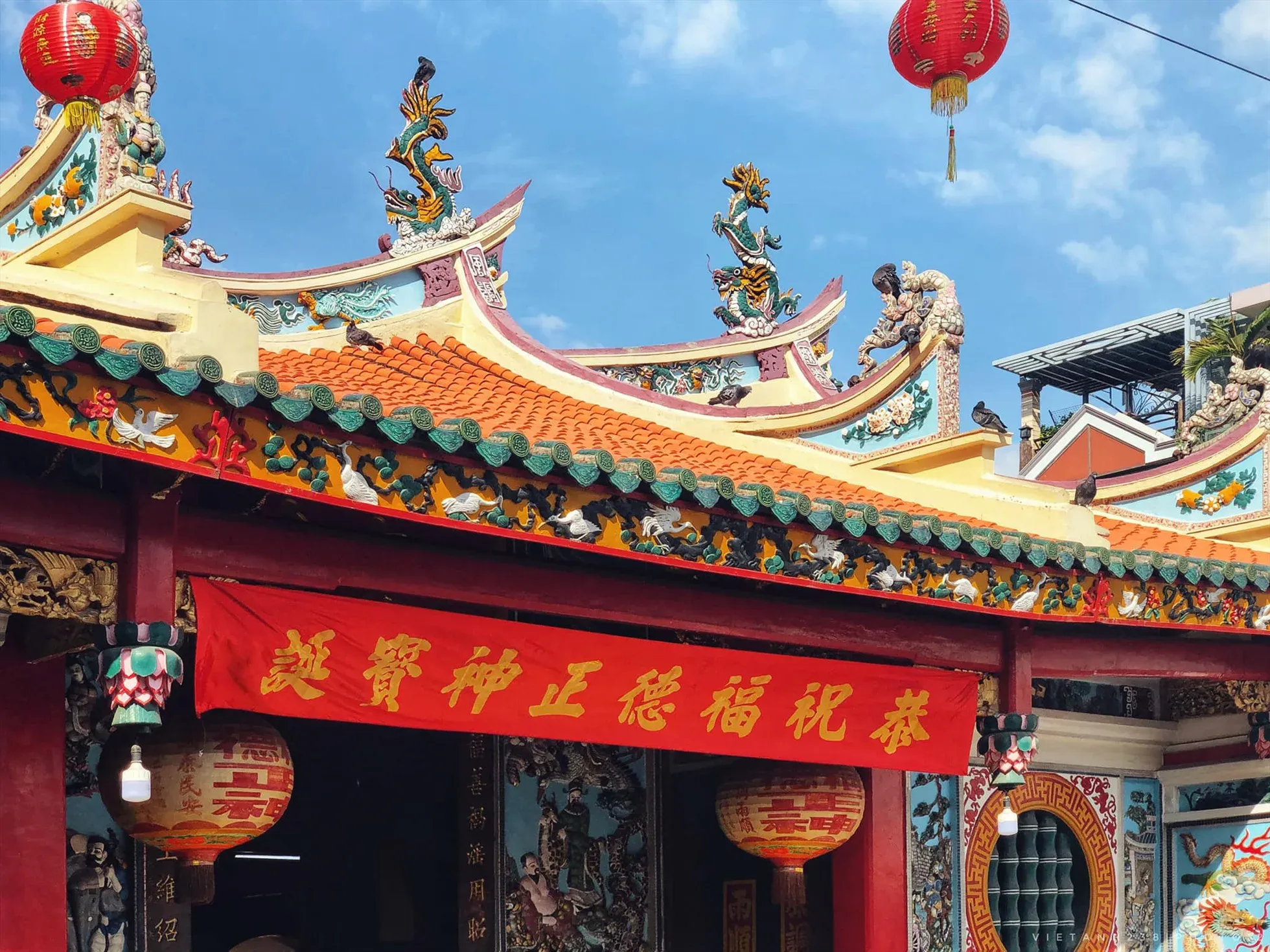
Source: Ngo Viet Anh
6. Nghia An Assembly Hall
Once a communal gathering place for the Cantonese people of Saigon, Nghia An Assembly Hall impresses with its grand entry gate featuring lion statues and intricate tile work. Inside, visitors can admire antique furniture, murals, and elaborate wooden frames. The hall also hosts traditional Chinese opera performances and festivals, making it a cultural hub to experience the vibrant heritage of the local Chinese community in Saigon.
📍Address: 678 Nguyen Trai, District 5
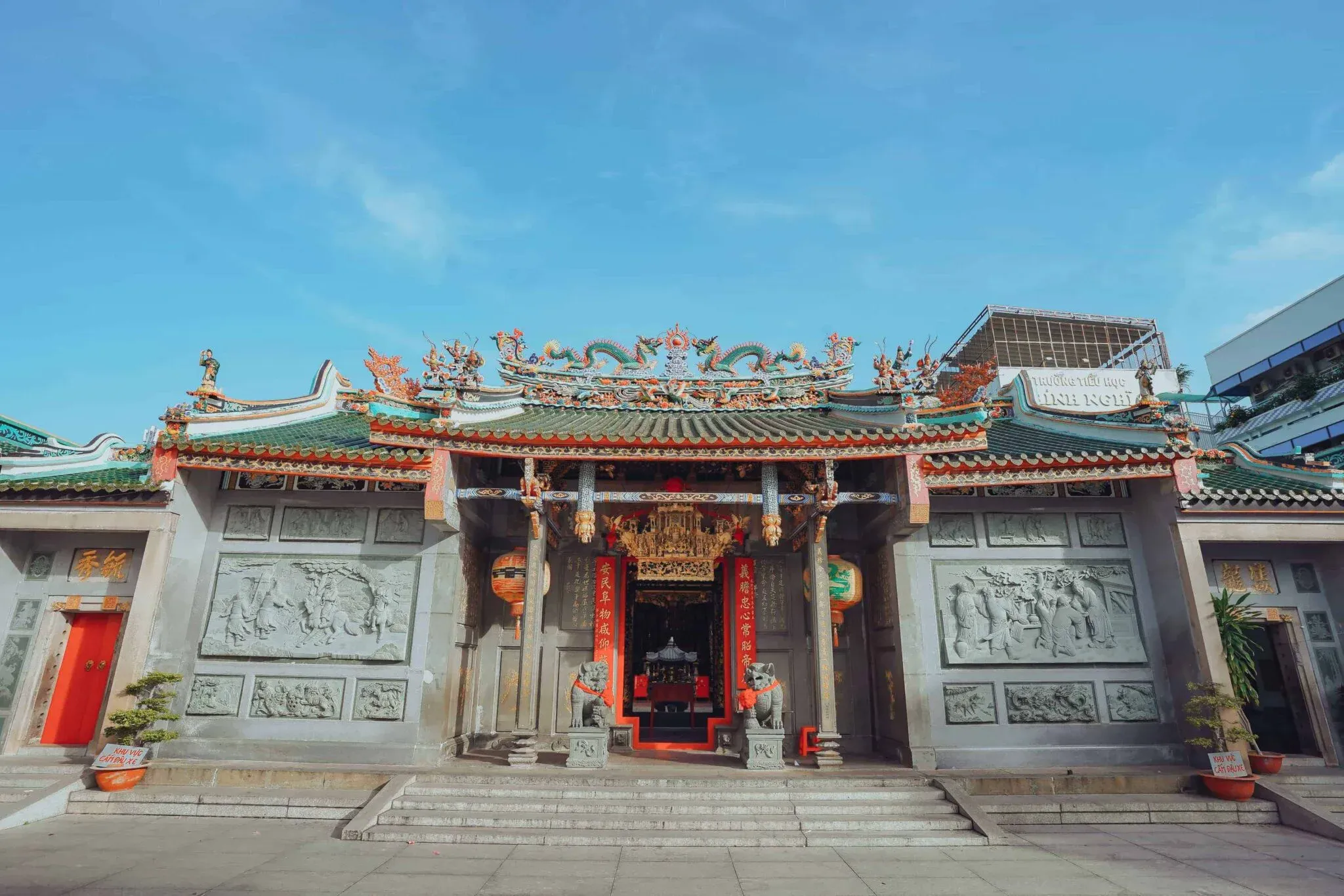
Source: Quan 5 Xin Chao
7. Hao Sy Phuong Alley
Hao Si Phuong Alley, nestled in the heart of Saigon’s Chinatown, offers a rare and authentic glimpse into the daily life of its local residents. This century-old alleyway is a vibrant community where generations of families, mostly of Chinese descent, have lived side by side for over 100 years. Walking through its narrow lanes, visitors are greeted by charming old buildings adorned with Chinese characters, Buddhist altars emitting soft incense smoke, and an inviting atmosphere where neighbors gather at small coffee stalls to share stories and sip tea.
📍Address: 206 Tran Hung Dao, District 5
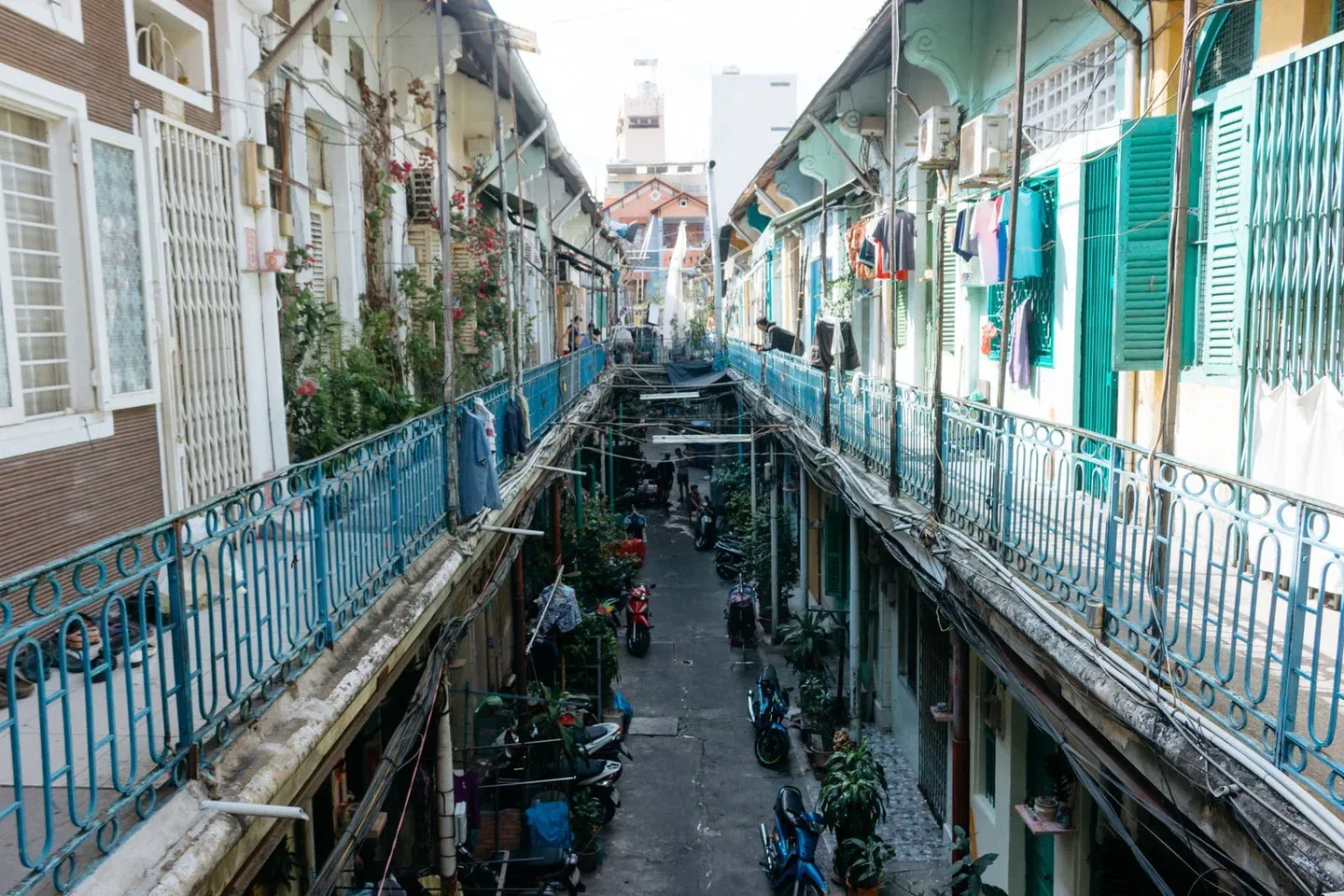
By @soaipham
8. Ba Lu Cafe – Traditional Basket Coffee
Coffee in Saigon’s Chinatown (Cho Lon) has its own rhythm — slow, nostalgic, and full of character. Instead of modern espresso machines, locals still brew their morning cup the old-fashioned way using a cloth “sock” filter, known as cà phê vợt. At small cafes tucked between markets and temples, you’ll see local baristas pouring boiling water through well-worn cloth strainers into metal pots, filling the air with the rich, roasted aroma of Vietnamese coffee. It’s not just a drink — it’s a ritual that reflects the timeless charm of Cho Lon.
📍Address: 199b Phung Hung, District 5
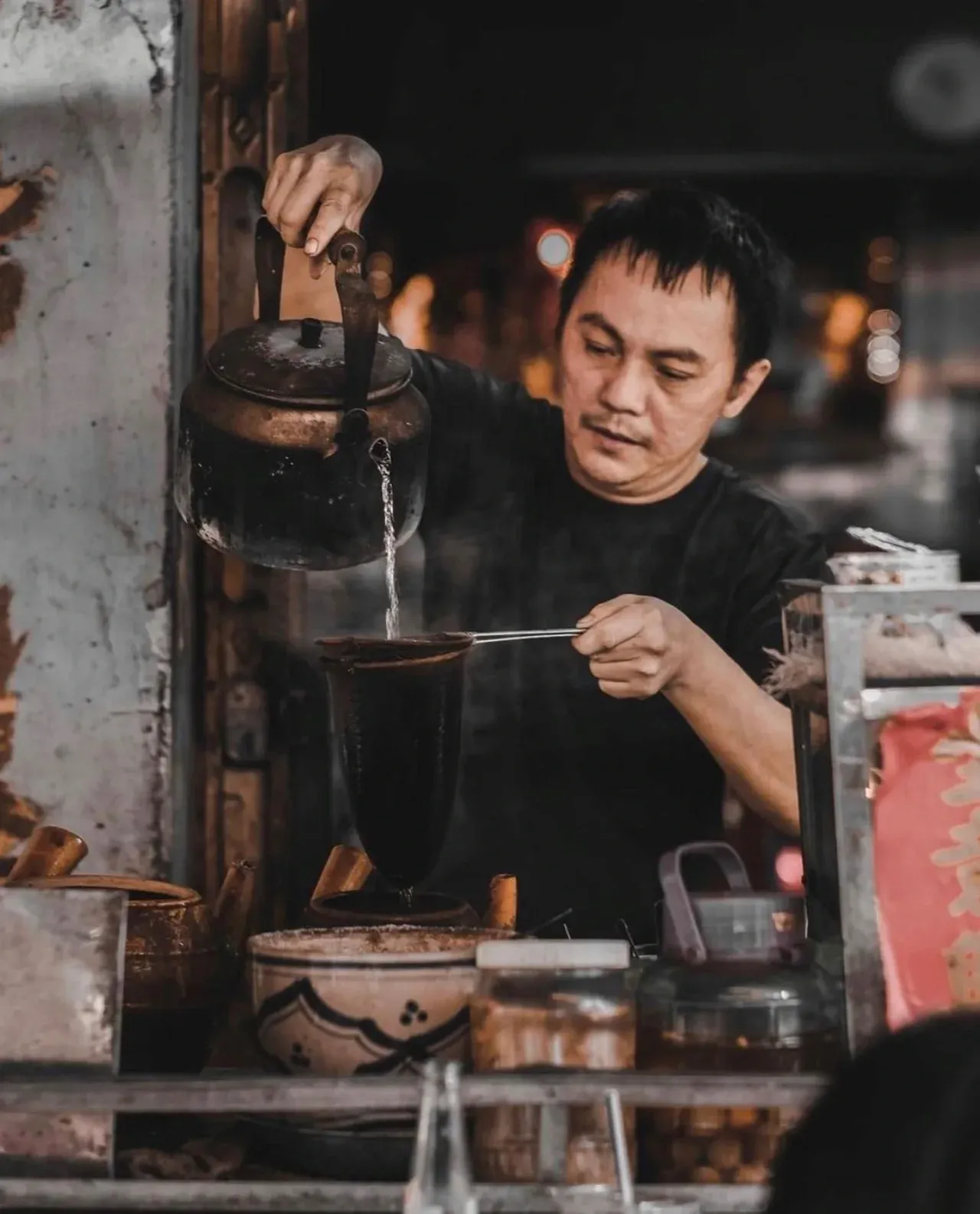
Source: Dan Tri News
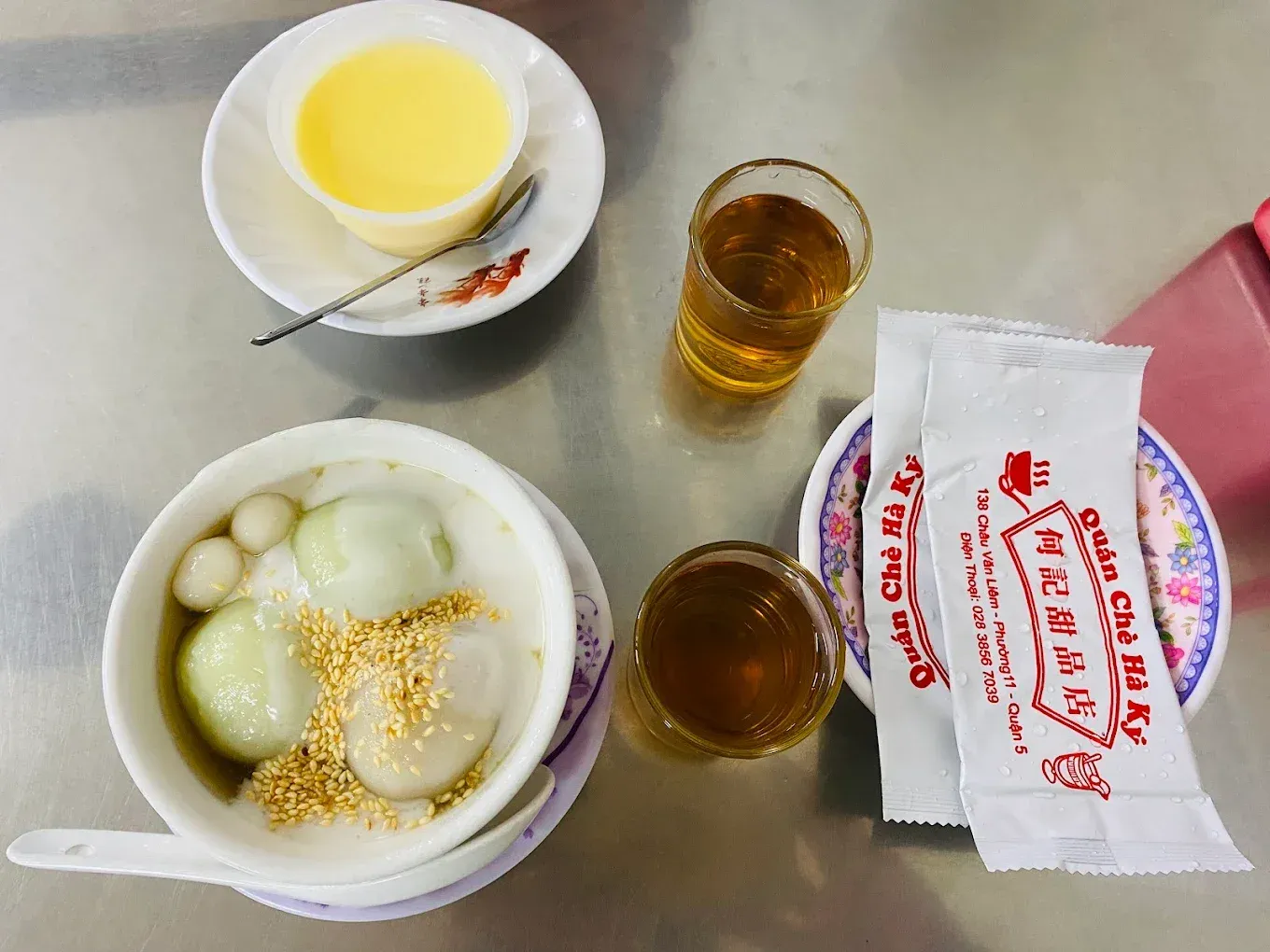
9. Ha Ky Sweet Soup
Ha Ky Sweet Sa Ky Sweet Soup is a long-standing favorite among locals in Chinatown Saigon. This family-run shop has been serving traditional sweet soups for decades, with recipes passed down through generations. Here, you can find all kinds of desserts, from the famous Banh Troi Nuoc (glutinous rice balls with sesame filling) to the silky Banh Flan. Each bowl is light, comforting, and full of nostalgic flavors that reflect the sweet side of Cho Lon’s culinary heritage.oup is a long-standing favorite among locals in Chinatown Saigon.
📍 Address: 138 Chau Van Liem, District 5
10. Hai Thuong Lan Ong Street
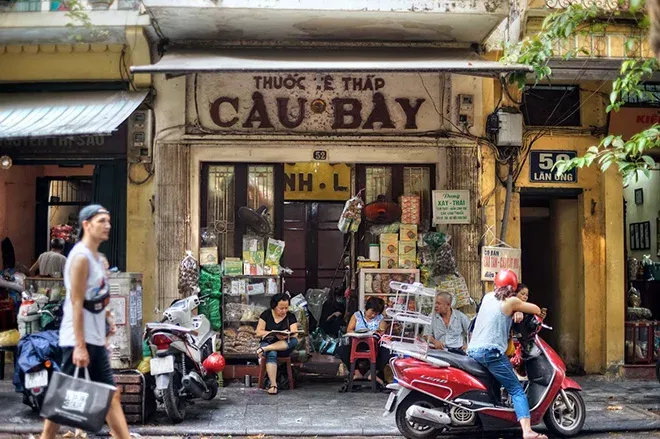
Herbal Medicine Street or Hai Thuong Lan Ong Street is lined with centuries-old traditional pharmacies. These shops display countless jars filled with dried herbs, roots, and mixtures used in Chinese medicine. Walking down the street, you’ll see practitioners preparing remedies and selling concoctions for ailments ranging from digestive issues to skin conditions. This street offers a fascinating look into the holistic health practices that remain an integral part of Chinatown’s cultural fabric.
Source: Travel Sense Asia
Bonus: Historical Sights Outside Core Cho Lon
1. Le Van Duyet Mausoleum
Located about 20 minutes from Binh Tay Market, the Le Van Duyet Mausoleum pays tribute to one of southern Vietnam’s most revered generals. His leadership helped defend Saigon against foreign invasions in the early 19th century. The mausoleum is architecturally significant, combining traditional Vietnamese and Chinese stylistic elements, with ornate dragon motifs, guardian statues, and engraved calligraphy. Visitors often come not only to admire its craftsmanship but also to learn about the general’s pivotal role in Vietnam’s history through onsite plaques and displays.
📍Address: 1 Vu Tung, Binh Thanh District
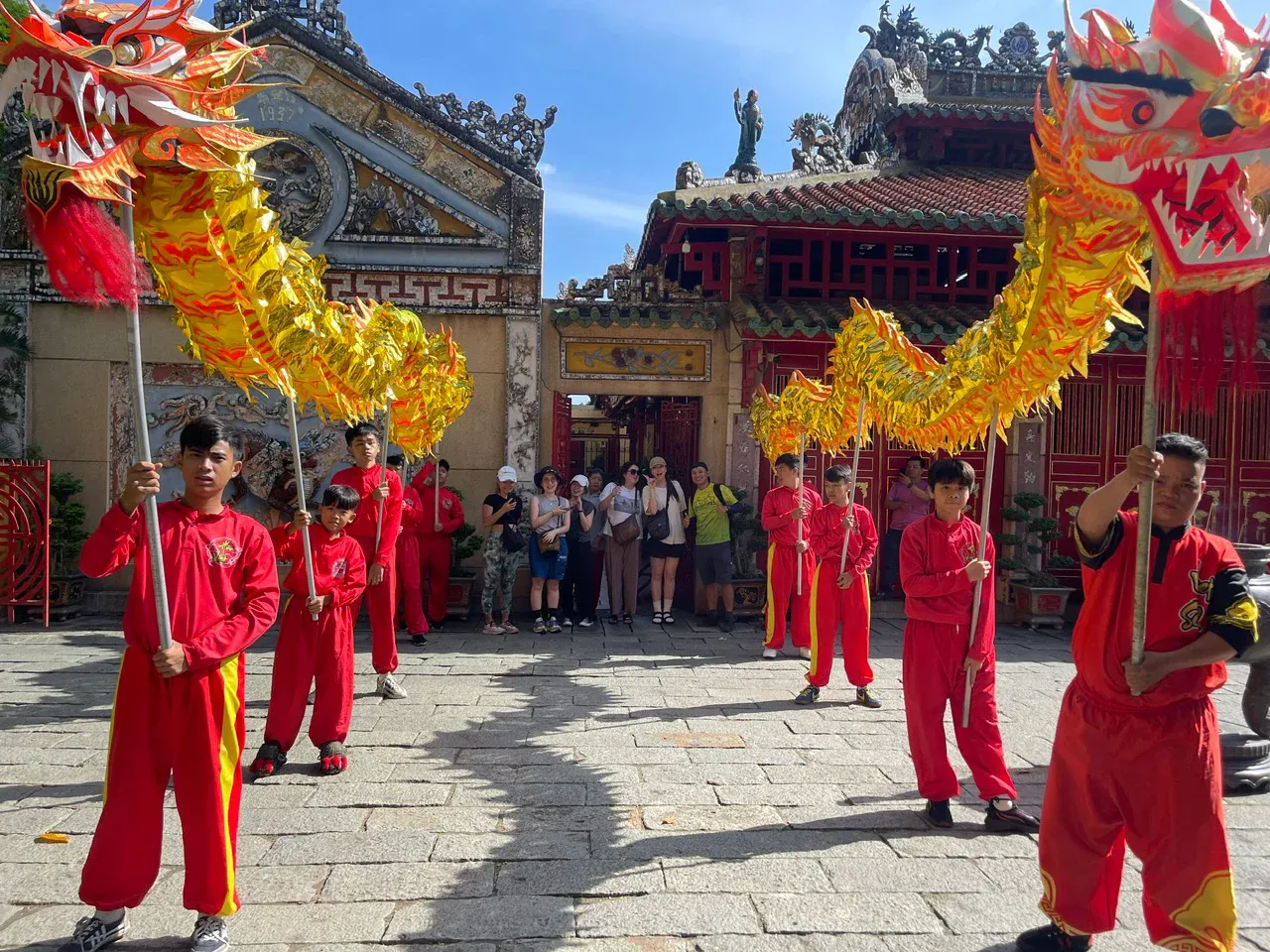
Tourists observe a traditional festival ceremony inside the historic Le Van Duyet Mausoleum
2. Ba Chieu Market
Ba Chieu Market offers a more local and less touristy shopping experience than Binh Tay. Its lively atmosphere reflects the daily routines of Chinatown residents. Here, you can explore stalls packed with fresh seafood, meats, vegetables, and spices at incredibly affordable prices. The outdoor section of the market bursts into life in the early morning, when vendors energetically call out their wares and locals haggle enthusiastically for the best deals. This vibrant scene provides a candid snapshot of everyday commerce in Ho Chi Minh City, free from the polished veneer of tourist spots.
📍Address: 39 Dien Hong, Binh Thanh District
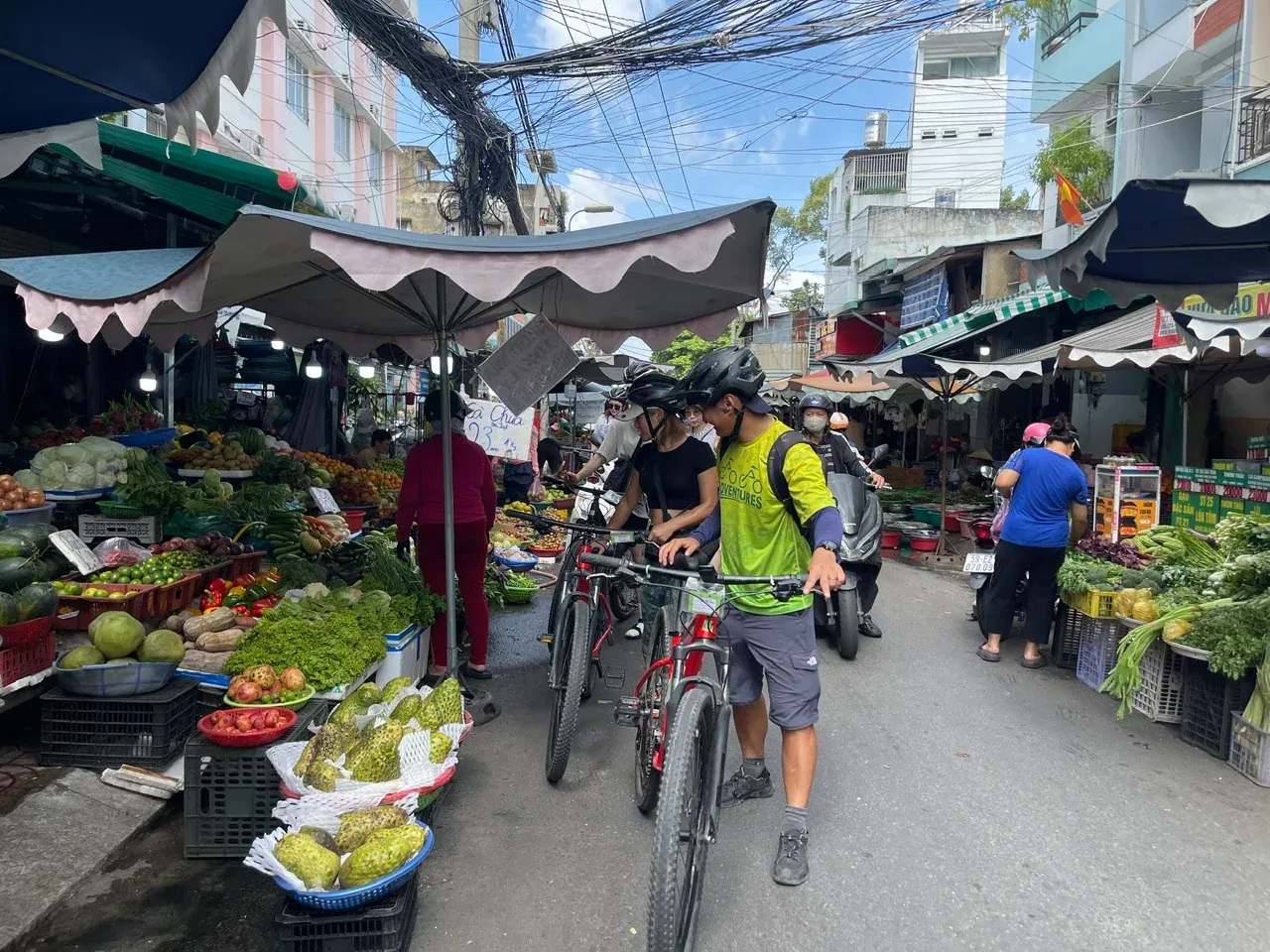
Authentic daily life scene at Ba Chieu Market with our local guide
To truly immerse in the area’s vibrant atmosphere, consider joining our Saigon Morning Bike Tour, which visits this historic site along with bustling markets, charming coffee spots, and other hidden gems in the city. This tour offers a rich, sensory exploration of Saigon’s heritage and everyday life beyond the typical sightseeing experience. Book your adventure here.
Written by
Manager
Share this post